In a series of escalating geopolitical tensions, former President Donald Trump has made claims regarding Venezuela and Greenland, suggesting intensifying international pressure on these regions. While specific details of Trump's assertions remain unclear, his statements have reignited discussions on U.S. foreign policy and its global influence. The mention of Greenland is particularly noteworthy, echoing Trump's past interest in the strategic Arctic territory, which he once proposed purchasing.
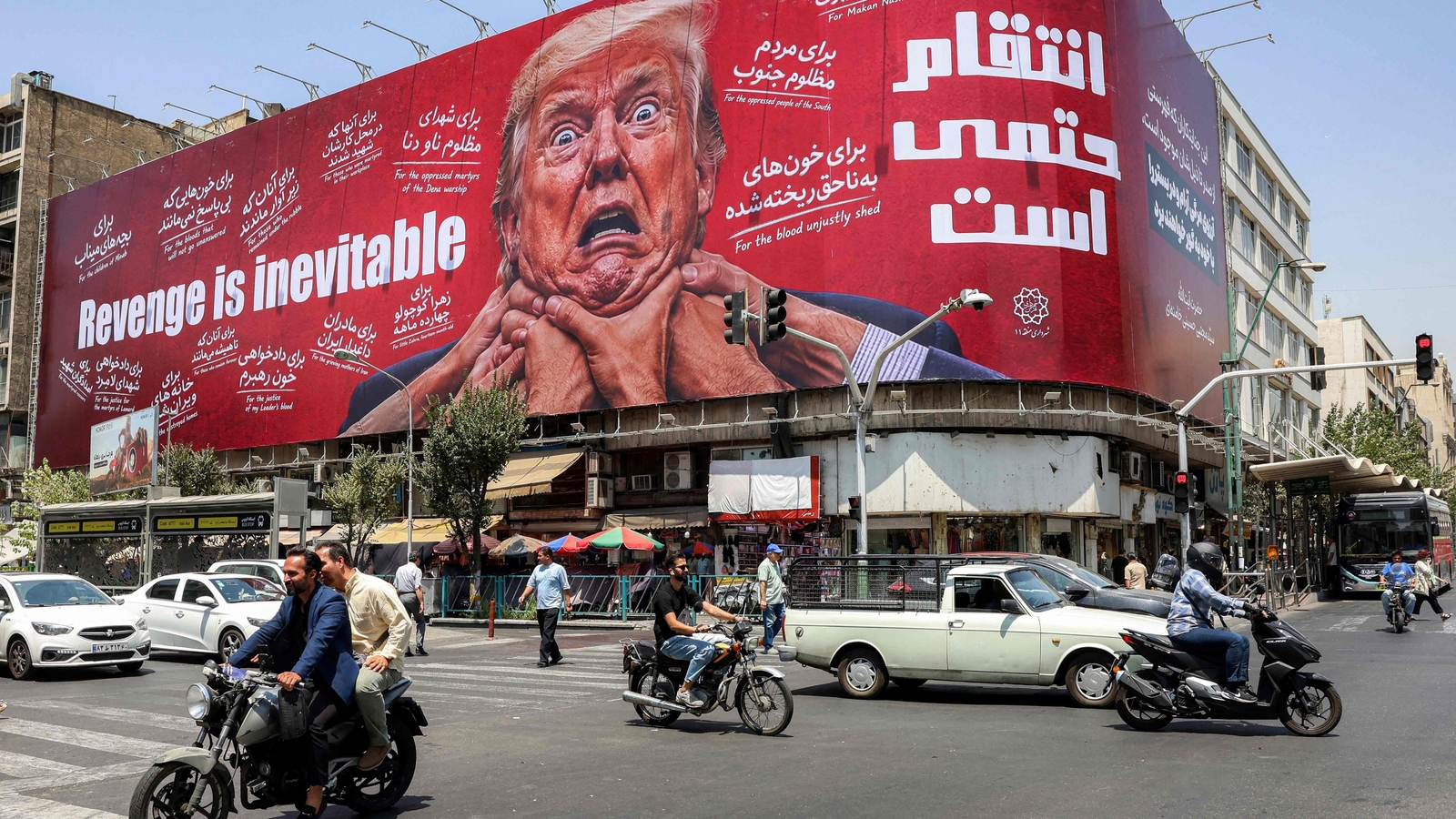
Simultaneously, developments in the Middle East have taken a sharp turn as an Iranian lawmaker issued a stark warning to the United States. The legislator threatened that U.S. military bases could potentially face retaliatory actions, using the phrase "will burn U.S. bases" as a cautionary statement. This comes amid heightened tensions between the two nations, particularly after the U.S. withdrawal from the Iran nuclear deal and recent military maneuvers in the region.
These unfolding events underscore a complex web of international relations, with the United States at the center of multiple geopolitical challenges. As the situation continues to develop, the global community watches closely, aware that shifts in U.S. foreign policy could have far-reaching consequences. The interplay between these nations emphasizes the delicate balance of power and the ongoing need for diplomatic engagement to prevent further escalation.
— Authored by Next24 Live






 English (US)