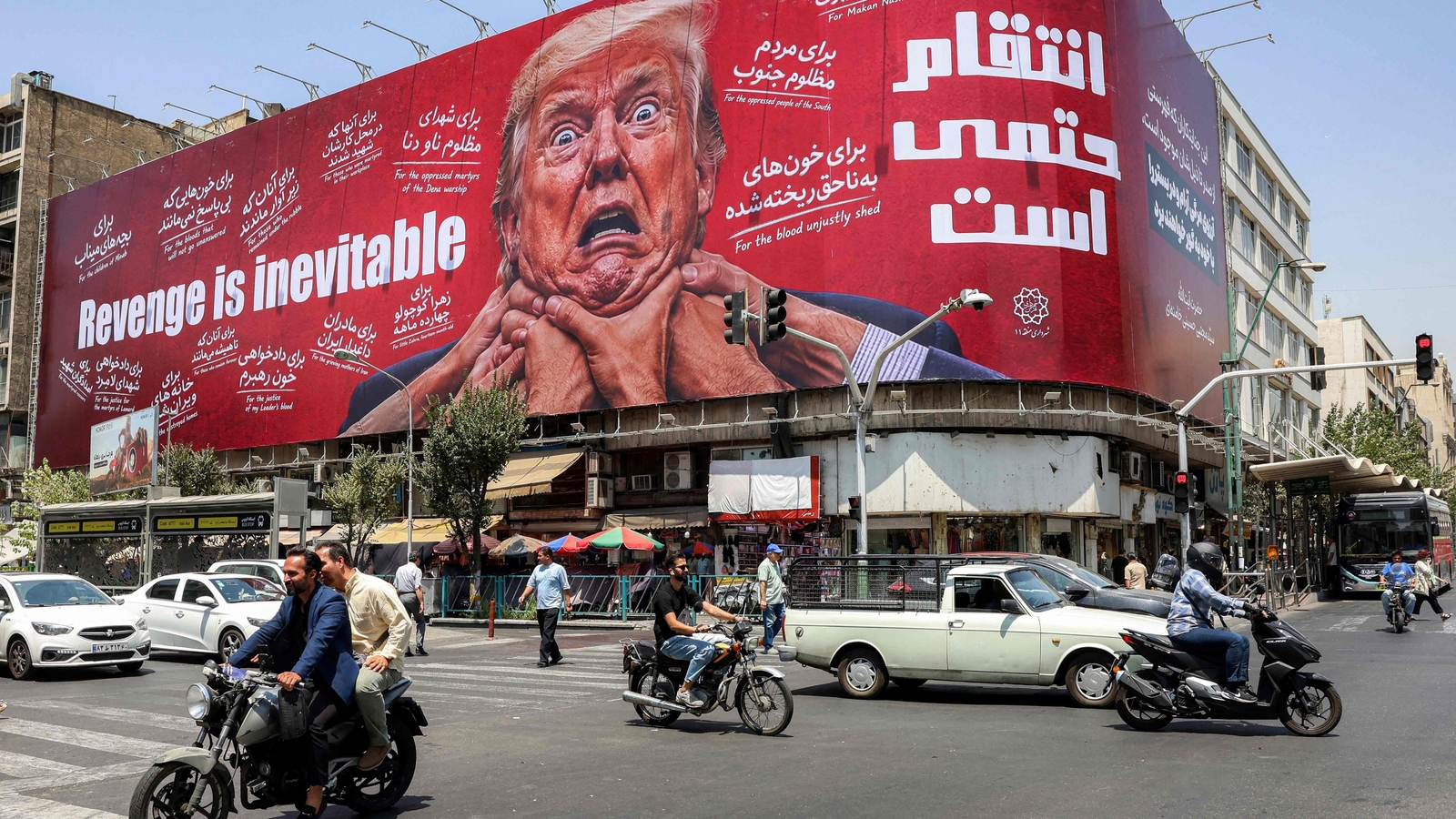
Iran is on the verge of a significant transformation as widespread protests and civil unrest challenge the existing regime. Sparked by economic hardships and demands for greater personal freedoms, these movements have gained momentum, drawing support from diverse segments of society. The potential for a revolution has captured global attention, with many speculating on the profound impact such a change could have on international relations and regional stability.
The fall of Iran's current regime would reverberate beyond its borders, notably affecting strategic alliances and power dynamics. A regime change could undermine Russian President Vladimir Putin, who has maintained a strategic partnership with Iran. This shift might weaken Russia's influence in the Middle East, disrupting long-standing geopolitical strategies and altering energy markets, given Iran's significant oil reserves.
As the situation unfolds, the international community watches closely, aware of the far-reaching implications. A new government in Iran could realign its foreign policies, potentially fostering new alliances and altering its stance on nuclear development. Such a transformation would not only reshape the Middle East but could also set a precedent for other nations grappling with similar aspirations for change and modernization.
— Authored by Next24 Live






 English (US)